
As urban populations continue to rise, cities are racing to become more efficient, sustainable, and responsive to citizen needs. Two leading paradigms shaping this future are Smart Cities and AI Cities. While they are often used interchangeably, they are distinct in design, focus, and implementation. This article explores their core differences, technological frameworks, and what each model offers for the future of urban living.
| Aspect | Smart City | AI City |
| 1. Core Philosophy | Enhances city operations using connected technologies like IoT and big data. | Driven by autonomous AI systems that make real-time decisions without human input. |
| 2. Data & Decision-Making | Data is collected for analysis; decisions are made by human planners. | AI analyzes data and implements decisions automatically, optimizing outcomes. |
| 3. Energy & Sustainability | Renewable energy monitored and managed through tech-enabled systems. | AI predicts energy needs, controls supply, and self-manages sustainability goals. |
| 4. Public Services | Improves services with digitization and IoT-enabled tracking. | Services adapt automatically using predictive models and real-time analytics. |
| 5. Citizen Participation | Citizens use apps and portals to engage in governance and feedback. | Citizens become data contributors; AI interprets behavior and adjusts governance. |
| 6. Urban Planning | Modular tech-based expansion with fixed infrastructure. | Planning evolves through machine learning and adapts based on real-time inputs. |
| 7. Safety & Surveillance | Sensors and cameras detect issues; responses are dispatched based on alerts. | AI detects patterns, predicts incidents, and proactively ensures safety. |
| 8. Global Examples | Barcelona, Singapore (smart mobility, utilities, infrastructure). | Shanghai, Dubai (AI-led transport access, governance, and smart enforcement). |
We are now going to delve into 8 key aspects, examining their fundamental differences, technological foundations, and the unique contributions each model makes toward shaping the future of urban living.
1. Definition and Core Philosophy:
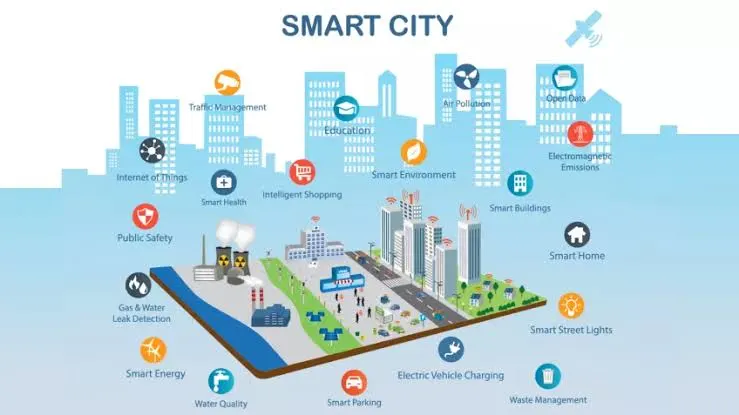
A Smart City primarily focuses on integrating digital technology and infrastructure to optimize city functions. It uses IoT devices, sensors, and data analytics to improve mobility, energy use, and governance.
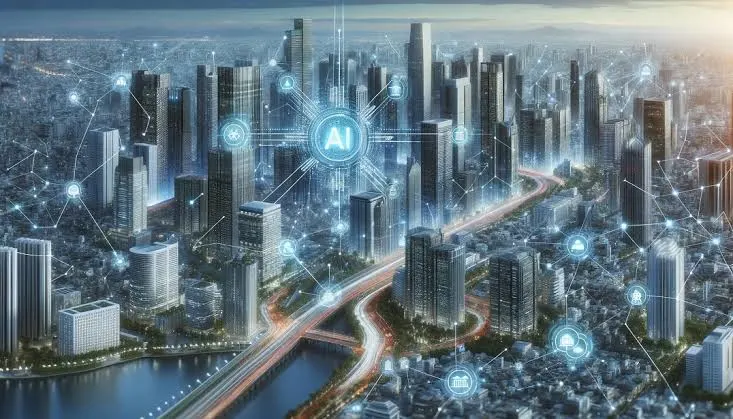
On the other hand, an AI City goes a step further. It not only integrates technology but allows artificial intelligence to take the lead in decision-making processes, forecasting needs, and autonomously adapting to real-time data.
Points to consider:
- Smart Cities = Efficiency + Connectivity
- AI Cities = Intelligence + Autonomy
- Smart Cities are data-driven; AI Cities are decision-driven
This fundamental difference sets the tone for how both models operate and evolve.
Read Also: Gated Community Villas in Hyderabad – Near AI CITY
2. Role of Data and Decision-Making:
In smart cities, data is collected and monitored to assist human-led decisions. Traffic cameras, smart meters, and citizen apps feed insights into central dashboards, where city planners interpret and act.
AI cities automate this entire loop. Algorithms analyze data, predict outcomes, and implement changes without waiting for human input.
Example:
- Smart City: Congestion data helps reroute buses manually.
- AI City: The system reroutes buses on its own before congestion builds.
The shift from human-assisted to machine-led governance marks a significant evolution in city management.
3. Energy and Sustainability Goals:
Both city models aim for eco-friendly infrastructure, but their approaches differ.
In a smart city:
- Renewable energy is monitored and distributed efficiently.
- Data alerts identify inefficiencies or spikes in usage.
In an AI city:
- Energy systems are self-regulating.
- AI predicts demand, adjusts supply, and even suggests structural changes for conservation.
Quick comparison:
| Feature | Smart City | AI City |
| Renewable Use | Active Monitoring | Predictive Management |
| Carbon Emissions | Tracked via sensors | Minimized autonomously |
| Utility Optimization | Manual Optimization | Algorithmic Control |
4. Public Services and Infrastructure:
Smart cities improve services by digitalizing them online permits, real-time public transport tracking, and e-health.
AI cities bring predictive intelligence into these services:
- Healthcare gets real-time patient monitoring.
- Garbage collection routes are dynamically optimized.
- Law enforcement uses predictive analytics to reduce crime.
In essence, AI cities anticipate and respond before citizens even report an issue, making services proactive rather than reactive.
5. Citizen Participation and Governance:
Smart cities empower citizens through apps, portals, and data transparency. People vote, file complaints, and contribute ideas digitally.
AI cities use data from citizens’ behavior to tailor governance. For example:
- Public feedback on social media may influence zoning rules.
- AI detects dissatisfaction trends and proposes policy changes.
Instead of just hearing citizens, AI cities interpret and respond to them on a macro scale.
Citizen role:
- Smart City: Active participants
- AI City: Passive data contributors turned policy influencers
6. Urban Planning and Scalability:
Smart cities are planned with modular, tech-enabled zones. Adding new areas involves installing IoT devices and integrating them with the existing system.
AI cities are built with learning capability. As more data flows in, AI continuously optimizes layouts, traffic routes, or land usage dynamically.
Benefits of AI City planning:
- Real-time redesign
- Data-backed zoning decisions
- Scalable through machine learning patterns
Where smart cities follow pre-programmed logic, AI cities adapt to changing conditions.
7. Safety, Security, and Surveillance:
In smart cities:
- Surveillance is used for monitoring and reporting.
- Emergency services are dispatched faster based on alerts.
In AI cities:
- Video analytics detect suspicious behavior automatically.
- Emergency responses are predicted based on past data patterns.
Real-life implication:
If there’s a surge in night-time activity in a dark alley, an AI city may deploy extra lighting or law enforcement without being instructed.
AI cities not only see but interpret and act, making urban areas safer by default.
8. Global Examples and Real-World Progress:
Smart City:
AI City:
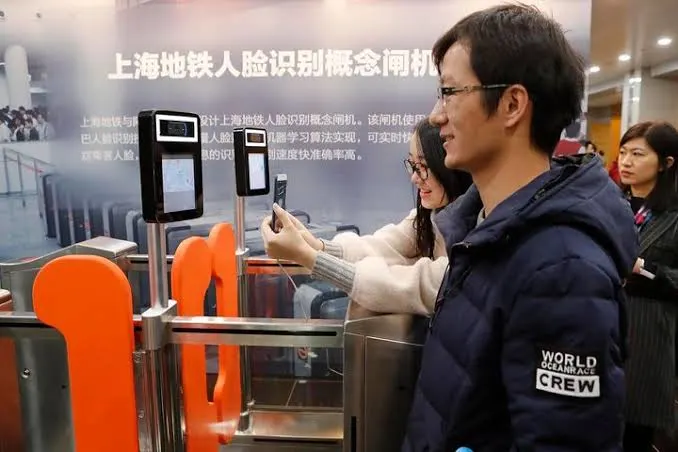
- Shanghai implements AI-based facial recognition for metro access.
- Dubai is launching AI governance platforms to automate civic decisions.
Observation:
Most cities begin as smart cities and evolve into AI cities over time as technology becomes more embedded and trusted.
Conclusion:
While Smart Cities lay the groundwork for efficient, tech-enabled urban living, AI Cities represent the next leap—a future where machines not only assist but actively manage cities for us. The evolution is not a competition but a progression. One cannot build an AI City without first becoming a Smart City.
FAQs:
No, Smart Cities focus on using data and tech for efficient management, while AI Cities automate decision-making using artificial intelligence.
Yes. Most AI Cities evolve from Smart City models as their technology matures and AI systems are integrated.
AI Cities offer more sustainable solutions due to predictive systems that optimize resources autonomously.
Examples include traffic light optimization, predictive policing, and energy demand forecasting.
Yes, ethical implementation involves data protection laws, transparency, and opt-in mechanisms for sensitive data use.